



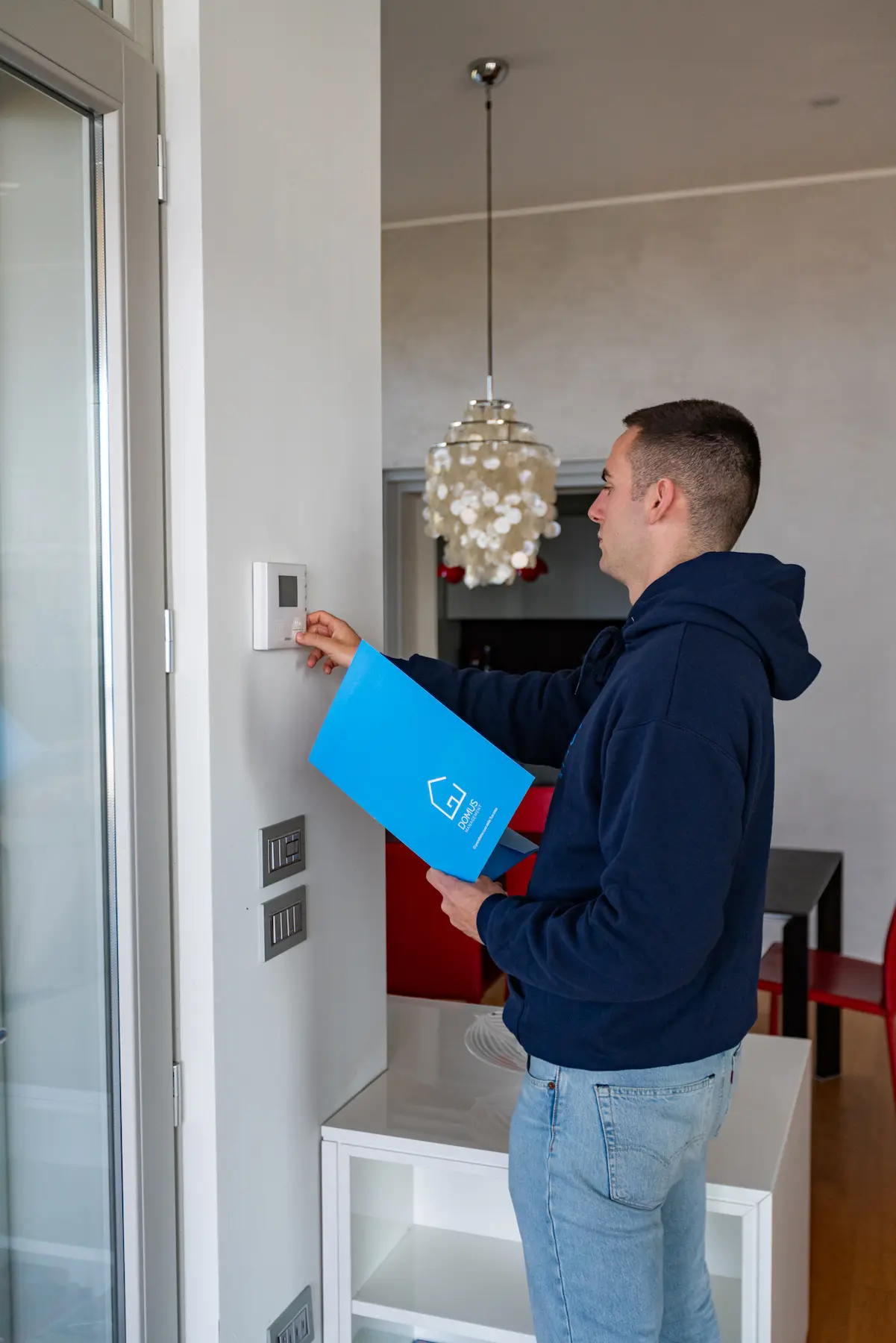
Do you own a villa or a high-end property and wonder who should take care of everything that keeps it running? Systems, garden, pool, security, vendors, administrative deadlines. When combined, they become a full-time job.
This is exactly where facility management finds its most natural application in the private world.
From the Corporate World to the Home: A Logical Transition
Facility management originated in a corporate context. Large buildings, offices, commercial infrastructures: complex environments where central direction coordinates maintenance, security, systems, and vendors to ensure everything runs smoothly without interruption.
But the same complexity exists today in high-end residences.
Home automation, air conditioning, video surveillance, plumbing and electrical systems, green areas, pools: a modern villa is a complex system that requires the same attention as a corporate building. The difference is that in companies there is always someone taking care of it. In private homes, that responsibility often falls on the owner.
What It Means to Apply Facility Management to a Private Residence
Bringing this approach into the residential world does not simply mean calling a technician when something breaks. It means designing preventive and ongoing management for all spaces and systems of the property.
In practice:
- Scheduled maintenance of heating, plumbing, electrical, irrigation, and air conditioning systems. Periodic inspections that catch problems before they become failures.
- Vendor coordination. A single point of contact manages gardeners, technicians, cleaning companies, and security firms, without the owner having to follow each one separately.
- Management of outdoor spaces. Garden, pool, outdoor areas: maintained to the same standards as the interior, regardless of the owner’s presence.
- Documentation and transparency. Every intervention is tracked and made accessible, so the owner always knows what was done and when.
The Value for High-End Property Owners
A structured approach to residential management yields two concrete results.
The first is economic: a well-maintained property preserves its value over time. Unrepaired faults, neglected maintenance, and uncoordinated vendors generate much higher costs than preventive and ongoing management.
The second is personal: the owner reclaims time and peace of mind. No chasing vendors, remembering deadlines, or managing emergencies. The home works, even when they are not there.
FAQ
What is facility management and what does it include?
Facility management is the coordinated management of all operational systems, services, and activities of a property. In a residential setting, it includes technical maintenance of systems, care of indoor and outdoor spaces, vendor management, security, and administrative deadlines. The goal is for everything to function continuously and preventively, without the owner having to handle it directly.
What is the role of someone managing a private property with a facility management approach?
Anyone managing a residence with this approach does not limit themselves to fixing problems when they arise. They plan inspections, coordinate vendors, monitor systems, and document every intervention. They serve as the single point of contact between the owner and everyone working on the property.
What services are included in managing a private villa?
Structured management of a private villa includes routine and extraordinary maintenance of systems, garden and pool care, management of security and surveillance contracts, administrative and tax deadlines, and the coordination of all vendors involved. The exact scope depends on the features of the property and the owner’s needs.
Discover what is possible: domusmanagement